
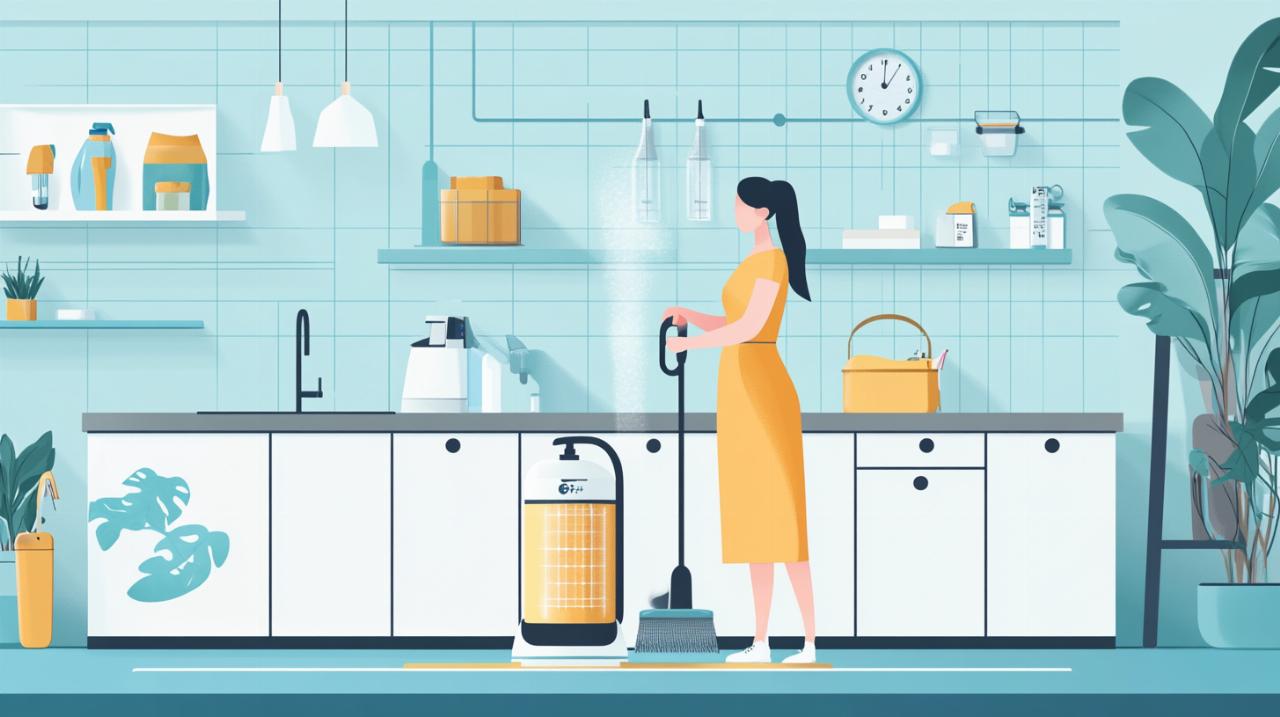
In recent years, households across the country have become increasingly aware of the environmental and health impacts associated with traditional cleaning products. Many families are now seeking alternatives that promise effective results without relying on harsh chemicals. One solution that has gained considerable traction is the use of steam cleaners, which harness the natural power of water to sanitise and refresh a wide range of surfaces. These devices offer a practical and sustainable approach to maintaining a spotless home while minimising exposure to potentially harmful substances.
How steam cleaners work: water-powered cleaning without chemicals
The science behind high-temperature steam cleaning
Steam cleaners operate on a remarkably straightforward principle: they heat ordinary tap water to an exceptionally high temperature, typically around one hundred degrees Celsius, transforming it into powerful vapour. This high-temperature steam is then directed onto surfaces, where it penetrates grime, dissolves stubborn residues, and lifts away dirt with remarkable efficiency. The intense heat not only loosens debris but also plays a crucial role in eliminating harmful microorganisms. The science underpinning this process is rooted in thermodynamics, as the energy transferred by the steam disrupts the molecular bonds of contaminants, rendering them easier to wipe away. Unlike conventional cleaning methods that depend on chemical reactions to break down dirt, steam cleaning relies purely on physical forces and thermal energy. This means there are no residues left behind, no synthetic fragrances lingering in the air, and no need to worry about accidentally mixing incompatible products. The result is a clean that feels genuinely fresh and free from artificial additives.
Why Water Alone is Sufficient for Proper Sanitisation
It might seem almost too simple to believe that water on its own can achieve the level of cleanliness traditionally associated with chemical disinfectants, yet the evidence is compelling. When water is heated to such elevated temperatures and released as steam, it becomes a formidable agent against bacteria and viruses. Studies have shown that steam cleaning can eliminate up to ninety-nine point nine per cent of common household bacteria, including notorious pathogens such as E. coli and salmonella. The key lies in the combination of heat and moisture, which together create an environment inhospitable to microbial life. This method of sanitisation is particularly appealing to households with young children, pets, or individuals with sensitivities to chemical products. By removing the need for bleach, ammonia, or other potent disinfectants, steam cleaners provide a safer alternative that does not compromise on hygiene. Moreover, the absence of chemical residues means that surfaces remain truly clean, without the invisible film that can sometimes attract dust or harbour allergens. In this way, water proves itself to be not only sufficient but superior for achieving genuine sanitisation in the home.
Versatile cleaning power across your home
Tackling Muck, Grease, and Bacteria in Kitchens and Bathrooms
Kitchens and bathrooms are notorious for harbouring the most stubborn grime, from baked-on grease around the hob to soap scum clinging to shower tiles. Steam cleaners excel in these environments, cutting through layers of accumulated muck with minimal effort. The high-temperature vapour penetrates porous surfaces and works its way into the microscopic crevices where bacteria love to hide, dislodging them without the need for abrasive scrubbing or corrosive chemicals. In the kitchen, steam can be used to refresh worktops, degrease extractor fans, and even sanitise the interior of ovens. In the bathroom, it transforms tired-looking tiles, revives grouting, and leaves taps and fixtures gleaming. The versatility of steam technology means that a single device can replace an entire cupboard full of specialised cleaners, each designed for a different task. This not only simplifies the cleaning routine but also reduces clutter and the associated environmental footprint. For those who take pride in maintaining a spotless home, the ability to tackle such a diverse range of challenges with one tool is both convenient and deeply satisfying.
Achieving spotless floors with steam technology
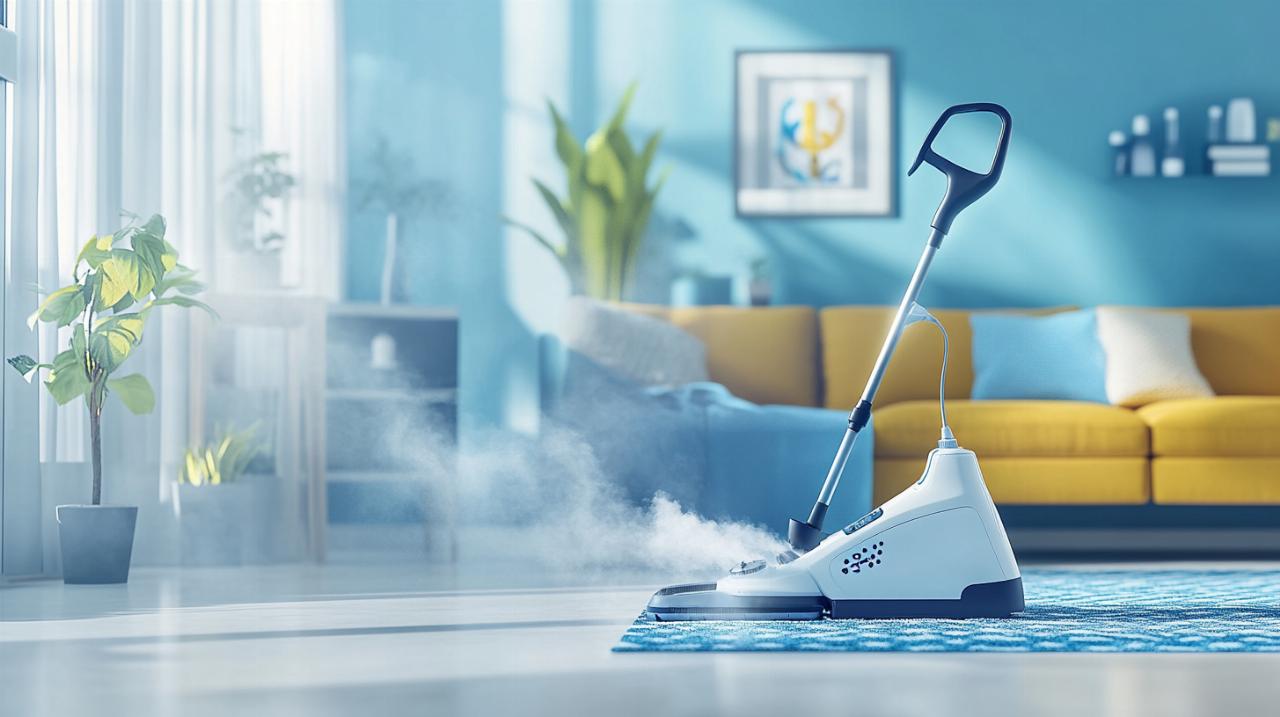
Floors are among the most heavily used surfaces in any home, and keeping them pristine can be a constant battle. Steam mops have become a popular choice for those seeking an effective and eco-friendly solution. These devices are designed to glide effortlessly across sealed hard floors, including tile, stone, marble, and certain types of hardwood, delivering a deep clean that traditional mopping struggles to match. The steam not only lifts dirt but also sanitises as it goes, ensuring that floors are not just visibly clean but genuinely hygienic. One of the standout benefits of steam mopping is the speed with which floors dry, thanks to the relatively low moisture content of the vapour. This means less time waiting for surfaces to become safe to walk on again and a reduced risk of water damage. It is worth noting, however, that steam should not be used on unsealed wood or waxed floors, as the heat and moisture can cause warping or dulling. For all other hard floor types, though, steam technology offers a level of convenience and cleanliness that is hard to beat. The transformation from grimy to gleaming happens in mere minutes, making it an ideal solution for busy households.
Environmental benefits of chemical-free steam cleaning
Reducing pollution through eliminating chemical products
The environmental case for steam cleaning is both compelling and urgent. Traditional cleaning products are often packaged in plastic bottles, many of which end up in landfills or, worse still, polluting our oceans. The chemicals themselves can be equally problematic, as they make their way into waterways through household drains, contributing to the contamination of rivers and aquatic ecosystems. By switching to steam cleaners, households can drastically reduce their reliance on these products, thereby cutting down on plastic waste and minimising the introduction of harmful substances into the environment. The production of chemical cleaners also involves significant energy consumption and the release of greenhouse gases, further compounding their environmental impact. In contrast, steam cleaning requires nothing more than water and electricity, and when paired with renewable energy sources, the carbon footprint can be reduced even further. This shift towards more sustainable cleaning practices is not just a personal choice but a contribution to a broader movement towards environmental stewardship. Every household that adopts steam cleaning is taking a tangible step towards a cleaner, greener future.
Protecting Your Family from Exposure to Harsh Cleaning Agents
Beyond the environmental benefits, there is a compelling health argument for embracing chemical-free cleaning. Many conventional cleaning products contain ingredients that can irritate the skin, eyes, and respiratory system, and prolonged exposure has been linked to a range of health issues. For families with young children who are prone to putting their hands in their mouths, or for those with pets that lick surfaces, the risks are particularly pronounced. Steam cleaning eliminates these concerns entirely, as there are no toxic residues left behind to pose a threat. Indoor air quality is another important consideration. Chemical cleaners often release volatile organic compounds into the air, which can linger long after the cleaning is done. These compounds can exacerbate asthma, trigger allergic reactions, and contribute to a general sense of discomfort. By contrast, steam cleaning leaves the air fresh and free from synthetic fragrances and airborne irritants. For households where allergies are a concern, this can make a significant difference to overall wellbeing. The peace of mind that comes from knowing your home is clean without compromising health is invaluable.
Long-term financial savings with steam cleaners
Calculating the Cost Benefits of Ditching Chemical Products
While the initial outlay for a quality steam cleaner might seem substantial, it is important to consider the long-term financial implications. Traditional cleaning routines often require a bewildering array of products, each targeting a specific type of stain or surface. From multi-surface sprays to oven cleaners, limescale removers to floor polishes, the costs quickly add up. Over the course of a year, a typical household can easily spend a considerable sum on these items, not to mention the ongoing need to replenish supplies. In contrast, a steam cleaner requires only water and periodic maintenance, such as descaling, to keep it running smoothly. The absence of recurring costs for chemical products means that the device can pay for itself within a relatively short period. For those who appreciate the satisfaction of a bargain, the economics of steam cleaning are undeniably appealing. Additionally, the longevity of a well-maintained steam cleaner means that it can serve a household for many years, further enhancing its value as an investment.
Investment value: when steam cleaners pay for themselves
To put this into perspective, consider a family that spends approximately fifteen pounds per month on various cleaning products. Over the course of a year, that amounts to one hundred and eighty pounds, and over five years, it totals nine hundred pounds. A mid-range steam cleaner, such as the limpiador a vapor rowenta steam power, might cost between two hundred and four hundred pounds, depending on the model and features. Within a couple of years, the savings from not having to purchase chemical cleaners can offset the initial cost entirely. Beyond this breakeven point, the financial benefits continue to accumulate, making steam cleaning not just an environmentally conscious choice but also a financially prudent one. Moreover, the durability and versatility of these devices mean that they can handle a wide range of tasks, reducing the need for other specialised equipment. For households looking to streamline their cleaning arsenal and reduce ongoing expenses, the investment in a steam cleaner is one that makes sound economic sense.
Reaching those tricky spots: superior deep cleaning capabilities
Getting into awkward nooks, crannies, and crevices
One of the most frustrating aspects of traditional cleaning is the difficulty of reaching those awkward spots where dirt loves to accumulate. Behind taps, around radiators, and in the tight gaps between appliances, grime can build up unnoticed, contributing to an overall sense of dinginess. Steam cleaners, however, are equipped with a variety of attachments designed to tackle these challenges head-on. Extension tubes, narrow nozzles, and brush heads can be combined in different configurations to reach even the most inaccessible areas. The focused jet of steam is able to penetrate crevices that would be impossible to clean with a cloth or sponge alone, dislodging dirt and bacteria that have taken up residence. This capability is particularly valuable in older homes, where intricate mouldings and period features can present unique cleaning challenges. By making it easier to maintain every corner of the home, steam cleaners help to ensure that cleanliness is not just superficial but genuinely thorough.
Restoring grout lines better than traditional cleaning methods
Grout lines between tiles are another notorious problem area, often becoming discoloured and grimy over time. Traditional cleaning methods, which typically involve scrubbing with a brush and a chemical cleaner, can be laborious and often yield disappointing results. Steam cleaning, by contrast, offers a far more effective solution. The high-temperature vapour penetrates the porous surface of the grout, lifting out dirt and mould that have become deeply embedded. The result is a restoration of the grout to something approaching its original appearance, without the need for harsh abrasives that can damage the surface or the surrounding tiles. For homeowners who take pride in the appearance of their kitchens and bathrooms, this ability to revive tired grout is a game-changer. The transformation is often so dramatic that it can feel as though the space has been given a new lease of life. In this way, steam cleaners do more than just clean; they restore, refresh, and rejuvenate, offering a level of deep cleaning that traditional methods simply cannot match.
Comments are closed